
Tales of the Dallas/Fort Worth Wars, and the Void That Is Arlington
(Who was St. Remedius? And why is a medical college named after him?)
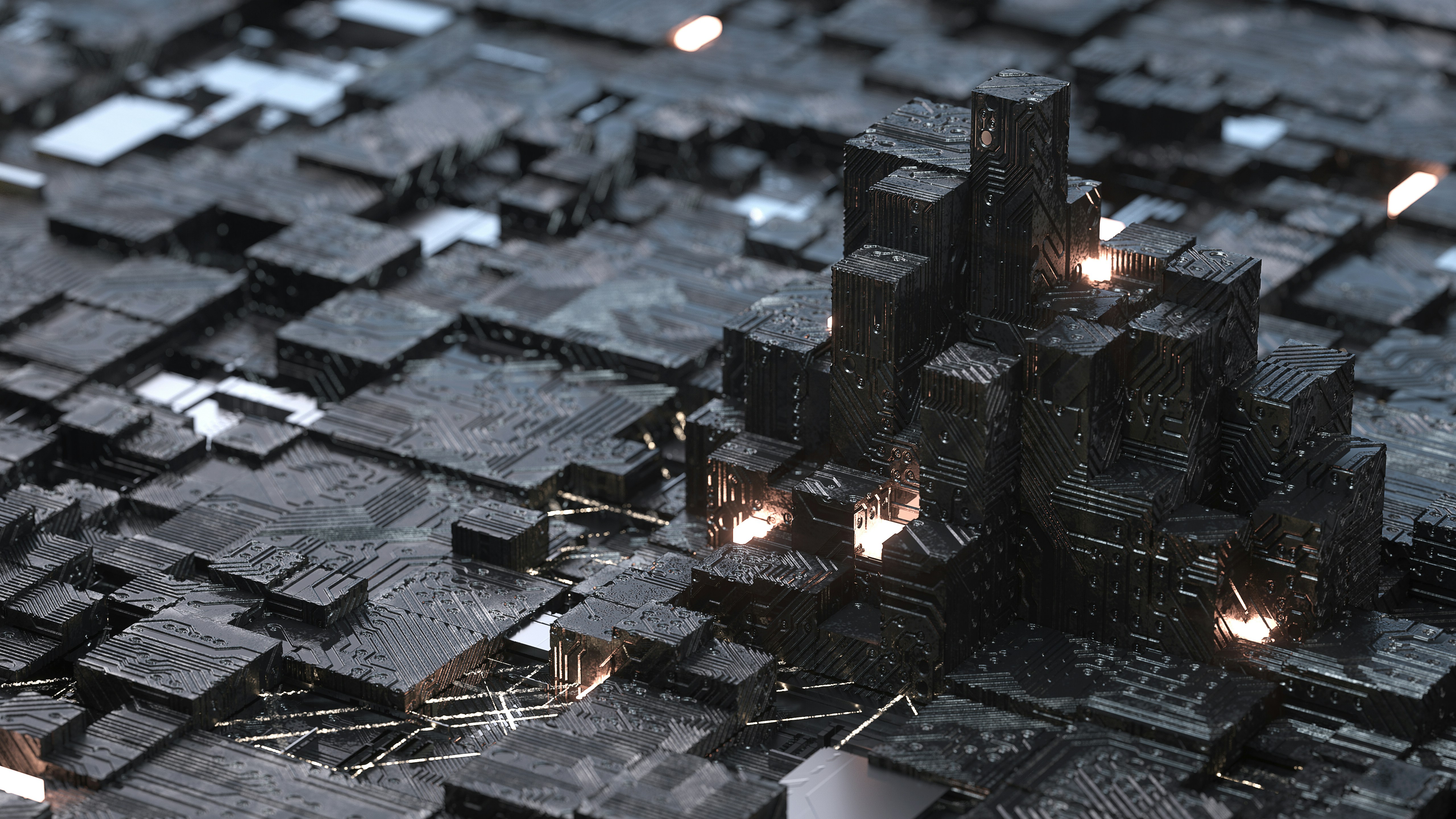
Look upon the cities of Dallas and Fort Worth. Close enough to travel by car, horse, and even bicycle in a day, but permanently separated by both ideology and blackest sorcery. Two near-sentient metropolises with the psychic bonds of fraternal cojoined twins, both desperately fighting for individuality and hating the other for being too codependent. One born of desperate need to present itself as the equal of the great cities of the North American coasts and one born of a need to pretend that “edge of the frontier” meant anything other than “justifying rampant and incurable xenophobia,” snarling at each other in the dark while smirking “Well, at least I’m not as bad as That Guy.”
Most of the time, the two cities stare at each other across the Trinity River basin with undisguised contempt, only coming together when outsiders bring up truths such as “there’s no difference between SMU and TCU other than their graduates resembling their mascots.” (The main difference is the defensive reaction when a TCU brat responds to the filthiest four-letter profanities one could utter to alumni from either school: “Last call.”) Occasionally, though, they bestir, sometimes to scrape parasites free and sometimes merely to stretch a bit, and city boundaries shift and flow. If they find themselves too close, they strike out: the current shape and pattern of the highways connecting them, particularly the Gigeresque appearance of the main I-30 umbilical, are a legacy of a major slapfest in the fall of 1986, when both were starting to feel both hunger and abandonment in the wake of the Great Oil Bust. Other times, the aggression is justified, leading to whole biomes tearing free and infesting cities with no previous resistance. In this case, both cities’ suburbs act as buffers, sometimes as additional defense, sometimes as decoys, and sometimes as sacrificial anodes. There is a reason why the outlying suburbs of White Settlement and Mesquite look the way they do, and in another 500 years or so, these will dessicate, drop off, and be replaced by other, more vital suburbs.
For all of these cities’ fundamental loathing for each other, they still cooperate, both for defense and for hunting. For the last 35 years, both cities have very quietly slumped up on their northern neighbor Denton, possibly to devour and possibly to mate, and both quietly grow spines, berms, and other protections along their southern flanks in preparation for potential aggression from Austin and San Antonio. Neither worry about the completely sessile Houston and El Paso, and the only reason both don’t rise up and assimilate the territories of Tulsa, Little Rock, and Albuquerque is the fear that one will grow slightly larger and more prosperous and remove the balance both have had for centuries. At their current rate of growth, most city planning analysts worry less about fusion and more about mitosis.
One legacy of both cities’ detente involves the Legend of Arlington. The area between Dallas and Fort Worth is currently a blasted, lifeless plain, only traveled by vehicles on mutual trade missions between the cities, with heavy osmium armor and EMT-hardened electronics being their only hope of arriving. Those traders know to conduct their business and leave: Dallas traders who spend too long in Fort Worth find themselves gradually unmooring from reality and evaporating into a wisp of framis that soon dissipates on the wind, and the same applies to Fort Worth merchants spending too much time in Dallas. Local legend has it that a town called “Arlington” once lay between the two, only to be crushed and masticated during a flareup of hostilities in the late 1970s, with only strange pearlescent mists blowing up to demark where the old town used to be. Some traders claim to have seen strange towers and edifices through those mists, and a few claim to have stopped for emergency repairs in the fogs and encountered actual people inside, even if they could not say or write what those alleged residents said and did. Most that claimed to see hints of civilization generally did not do so for long: inevitably the brain tumors start, and it soon becomes impossible to distinguish between actual memory and gamma-ray psychosis. Satellite and flyover scans of the area remain inconclusive, with the only definitive sign of a particular phenomenon being the statistically significant number of kaiju migrations ignoring Dallas and Fort Worth specifically to pass through the area. In modern parlance, “Arlington” has the same significance in Texan culture as the equally fantastic areas of Hy-Brasil, Tanelorn, and The Island of Misfit Sex Toys, and visitors to Dallas and Fort Worth soon learn to discern the amount of sarcasm and derision used when talking about it.
Want to get caught up on the St. Remedius story so far? Check out the main archive. Want more hints as to the history of St. Remedius Medical College? Check out Backstories and Fragments. Want to forget all of that and look at cat pictures from a beast who dreams of his own OnlyFans for his birthday? Check out Mandatory Parker. Questions, concerns, and disgust over generative AI? Check out Contact, Privacy Policy, and AI Policy. And feel free to visit the St. Remedius Medical College Redbubble shop for all of your Mandatory Parker needs.
Discover more from The Annals of St. Remedius Medical College
Subscribe to get the latest posts sent to your email.